F1 Dutch Grand Prix 2026 Race Strategy: Verstappen, Norris, and Ferrari Battle the Zandvoort Banking

ZANDVOORT, NETHERLANDS — August 21, 2026
Formula 1's four-week summer hiatus officially comes to an end as the 2026 World Championship resumes at the iconic Circuit Zandvoort for the Dutch Grand Prix on Sunday, August 23. Nestled among the sand dunes on the North Sea coast, Zandvoort offers one of the most unique, high-downforce challenges on the F1 calendar. With ten races remaining in the 2026 championship campaign, teams arrive in Holland equipped with major aerodynamic upgrades aimed at securing crucial ground before the fast European leg transitions into the autumn flyaway races.
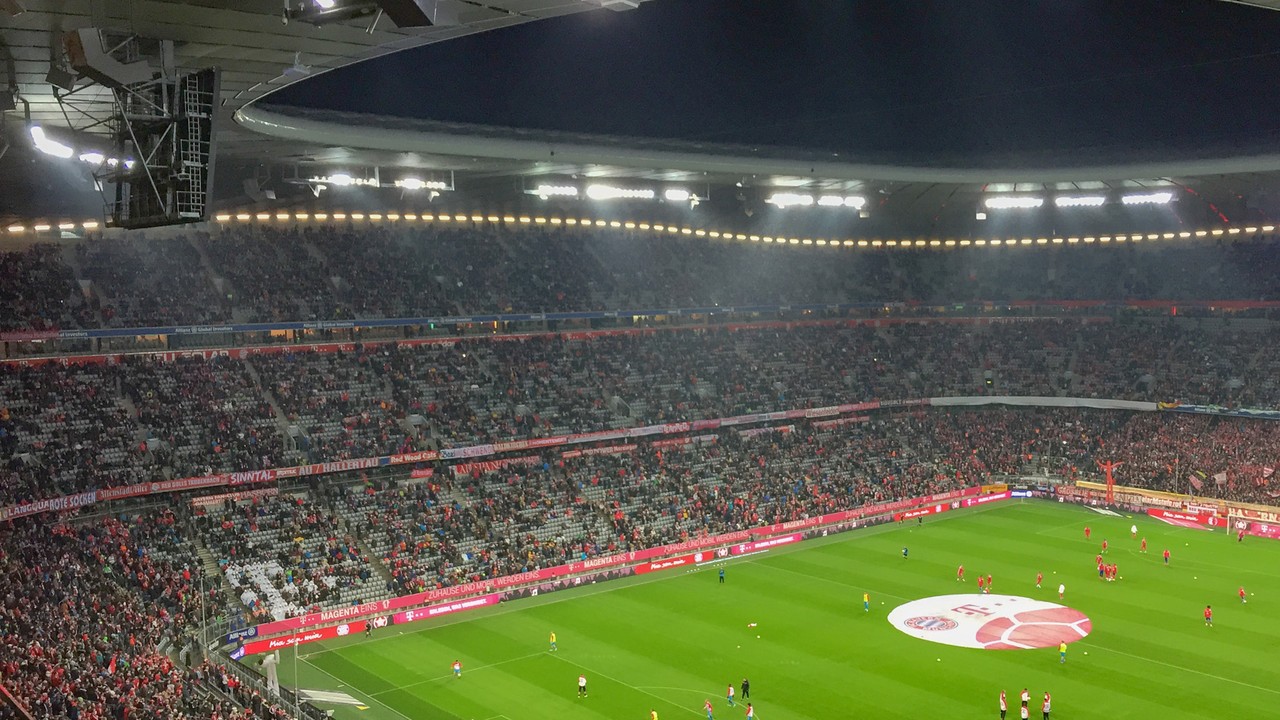
For home favorite Max Verstappen, Zandvoort is far more than just another Grand Prix. The Dutch driver will step into his cockpit surrounded by a sea of 105,000 fanatical supporters wearing orange flares. However, Red Bull Racing face their stiffest challenge yet at Zandvoort, as a surging McLaren team led by Lando Norris and Oscar Piastri, alongside a refreshed Ferrari squad, arrive determined to crash the party on Verstappen's home turf.
The Technical Crucible: Banking, Downforce, and Tire Stress
Circuit Zandvoort is an old-school driver's track modernized with steep banking that tests both machine and driver to their physical limits. The defining technical features of the 4.259 km layout are Turn 3 (Hugenholtz) and Turn 14 (Arie Luyendyk), which boast banking angles of up to 18 degrees—steeper than the iconic banking at Indianapolis Motor Speedway. These banked corners subject cars to extreme vertical compression forces while allowing drivers to execute unconventional, higher racing lines to carry speed onto the main straight.
Pirelli has nominated their hardest tire compounds (C1, C2, and C3) for the Dutch Grand Prix to cope with the severe lateral loads generated through the fast, sweeping middle sector. The front-left tire bears the brunt of the punishment through Zandvoort's continuous right-hand turns. Managing tire degradation without sacrificing cornering speeds will be the single most critical engineering puzzle for race strategists on Sunday afternoon.
Red Bull vs McLaren: The Aerodynamic Tug-of-War
Prior to the summer break, McLaren’s MCL39 demonstrated superior aerodynamic efficiency on high-downforce circuits, displaying incredible stability in medium-speed change-of-direction zones. Lando Norris and Oscar Piastri have increasingly pushed Verstappen in qualifying trim, exploiting McLaren's excellent tire-warmup characteristics. In Zandvoort’s narrow, twisting sector two—where overtaking in open play is notoriously difficult—qualifying position and initial launch off the grid carry double the value.
Red Bull Racing, however, have introduced a redesigned floor geometry and sidepod inlet configuration specifically tailored for high-downforce layouts. Verstappen’s ability to extract maximum performance from an unstable rear end gives Red Bull a distinct advantage through the high-speed Tarzan corner (Turn 1). If Red Bull can lock out the front row in Saturday’s qualifying session, Verstappen’s race pace and clean air management could render him uncatchable.
Undercuts, Rain Risks, and Pit Stop Strategy
Overtaking at Zandvoort remains extremely challenging due to the narrow circuit width and short DRS zone on the pit straight. Consequently, pit lane strategy and undercut potency will dictate track position during the pit stop window. Strategy simulators indicate that a one-stop strategy (Medium to Hard) is theoretically the fastest route to the checkered flag. However, high tire wear during early stints could force teams into an aggressive two-stop strategy (Soft-Medium-Medium) to maintain pace against rivals stuck in traffic.
Furthermore, Zandvoort’s coastal location means weather conditions can shift rapidly within minutes. Rain clouds sweeping in off the North Sea frequently cause chaotic mixed-condition races, where pit wall reaction times during tire crossover windows (Slicks to Inters) can win or lose a Grand Prix. A single ill-timed Safety Car deployment—highly probable given Zandvoort's tight gravel runoff zones—could completely turn the race order upside down.
Ferrari and Mercedes: Dark Horses Lurking in the Dunes
While the spotlight remains firmly focused on Verstappen and McLaren, neither Ferrari nor Mercedes can be discounted from podium contention. Ferrari’s high-speed stability has improved significantly following mid-season suspension tweaks, making them particularly dangerous in low-traction corner exits. Meanwhile, Mercedes’ progressive tire degradation management often comes alive during long second stints when fuel loads drop.
If the front-runners engage in fierce tactical battles that compromise their tire life, Charles Leclerc, Lewis Hamilton, or George Russell could pounce on strategic openings late in the race to secure unexpected silverware.
Driver Quotes Headed into Race Day
Max Verstappen (Red Bull Racing): "The atmosphere at Zandvoort is always incredible with the Orange Army, but on the track, it is a relentless challenge. It’s narrow, fast, and leaves no margin for error. McLaren have been very strong recently, so we need to hit the ground running with our setup from FP1."
Lando Norris (McLaren): "We ended the first half of the season with strong momentum, and Zandvoort is a track that suits our car’s characteristics well. Passing is tough here, so Saturday’s qualifying will be huge. If we get on the front row, we have the race pace to fight for the win."
Grand Prix Snapshot
- Event: Formula 1 Heineken Dutch Grand Prix 2026
- Round: 15 of 24 (2026 F1 World Championship)
- Date & Time: Sunday, August 23, 2026 | 15:00 CEST
- Location: Circuit Zandvoort, Netherlands
- Track Length: 4.259 km (72 Laps)
- Max Banking Angle: 18 Degrees (Turn 3 & Turn 14)
- Estimated Reading Time: 5 Minutes
— SportsX Editorial Desk | Formula 1 Technical Analysis